calculator2

Save 50% on Your First Treatment

Contact Us Today to Claim Your Savings - Limited Time Only

Short Quote

Bats

Bats, often referred to as the only true flying mammals, have fascinated humans for centuries. With their nocturnal habits, unique echolocation abilities, and diverse species range, bats play a pivotal role in our ecosystems. Let’s delve into understanding these winged wonders better.

Identification

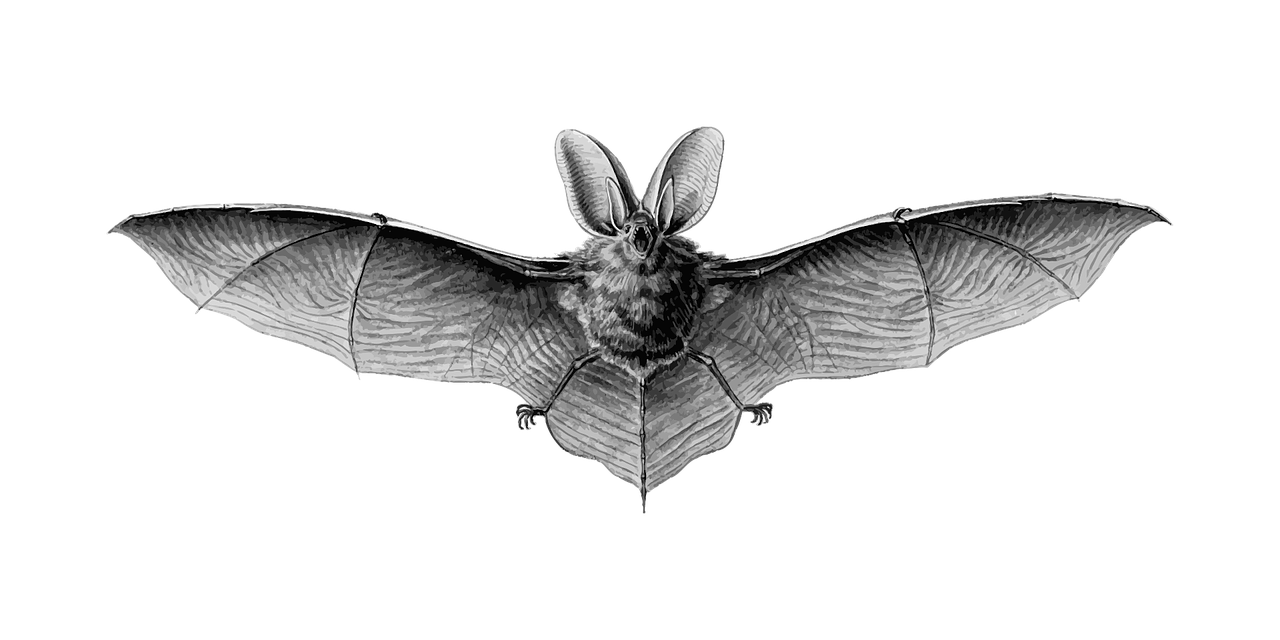
Physical Features: Bats (Chiroptera) typically have fur-covered bodies, large ears, and membranous wings. Their wings are an adaptation of the mammalian hand, with skin stretched between elongated fingers.

Size: Bats vary in size. The bumblebee bat, weighing just about 2 grams, is the world’s smallest mammal, while the giant golden-crowned flying fox can have a wingspan of up to 5.7 feet.

Echolocation: Many bat species use echolocation, emitting high-frequency sound waves that bounce back after hitting objects, helping them navigate and locate prey.

Common Bats Species

Little Brown Bat (Myotis lucifugus)

Found predominantly in North America, the Little Brown Bat is known to roost in a variety of places, from trees and caves to even human-made structures like buildings. Their diet primarily consists of insects, especially beetles, flies, and moths.

Big Brown Bat (Eptesicus fuscus)

Another North American native, the Big Brown Bat, frequently roosts in locations such as attics, barns, and other man-made environments. Their dietary preference leans towards insects, with beetles being a significant part of their intake.

Mexican Free-tailed Bat (Tadarida brasiliensis)

Ranging from the southern parts of the U.S. all the way to Argentina, the Mexican Free-tailed Bat prefers habitats like caves, tunnels, and under bridges. They primarily feed on moths but are known to consume other flying insects too.

Grey Long-eared Bat (Plecotus austriacus)

This bat species is commonly found in Europe and chooses to roost in the attics of old buildings or trees. Moths and other insects make up the primary diet for the Grey Long-eared Bat.

Common Pipistrelle (Pipistrellus pipistrellus)

Inhabiting regions from Europe and North Africa to Western Asia, the Common Pipistrelle is frequently found in gardens, woodlands, and marshes. Their diet is composed mainly of small flies, midges, and moths.

Greater Horseshoe Bat (Rhinolophus ferrumequinum)

Found across Europe, North Africa, and Asia, these bats often roost in old buildings, caves, or cellars. Their diet is varied but consists largely of beetles, moths, and other insects.

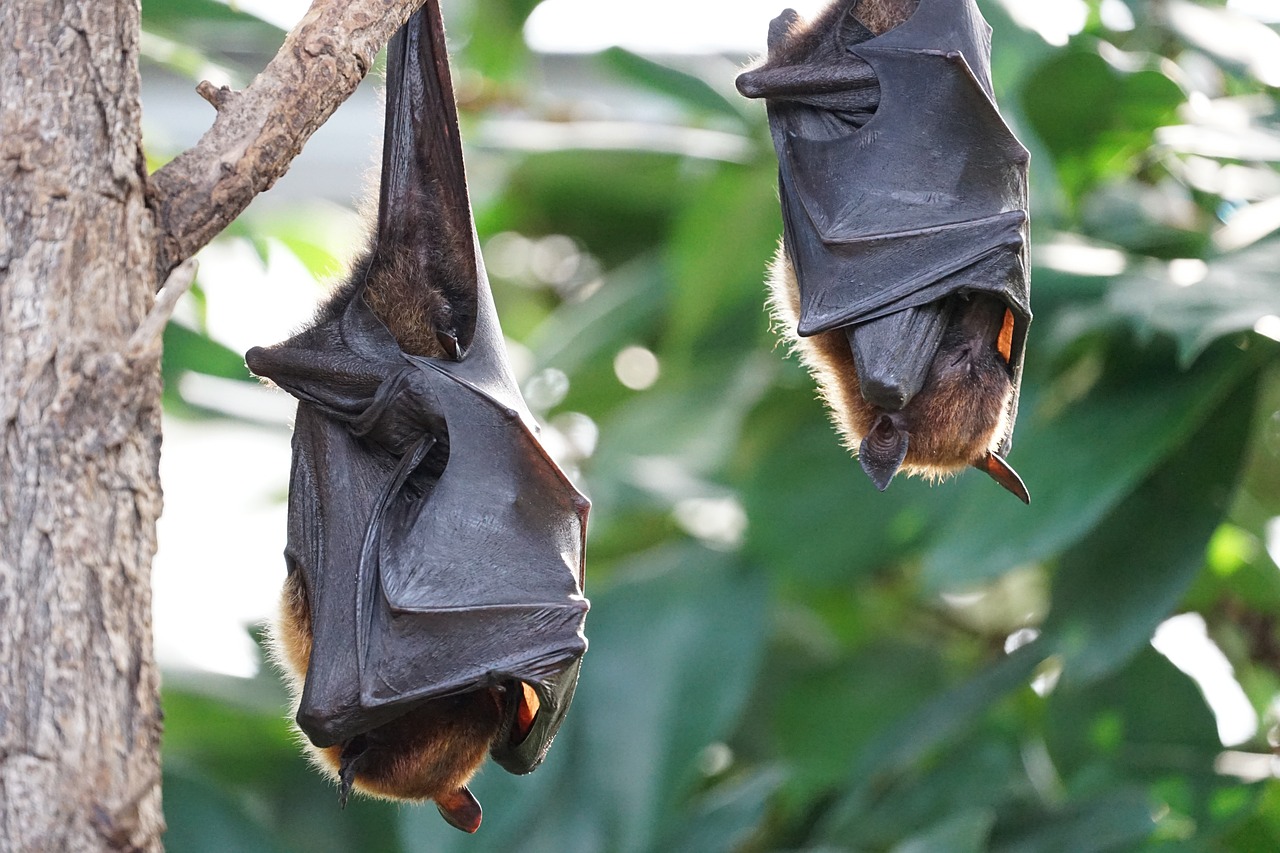
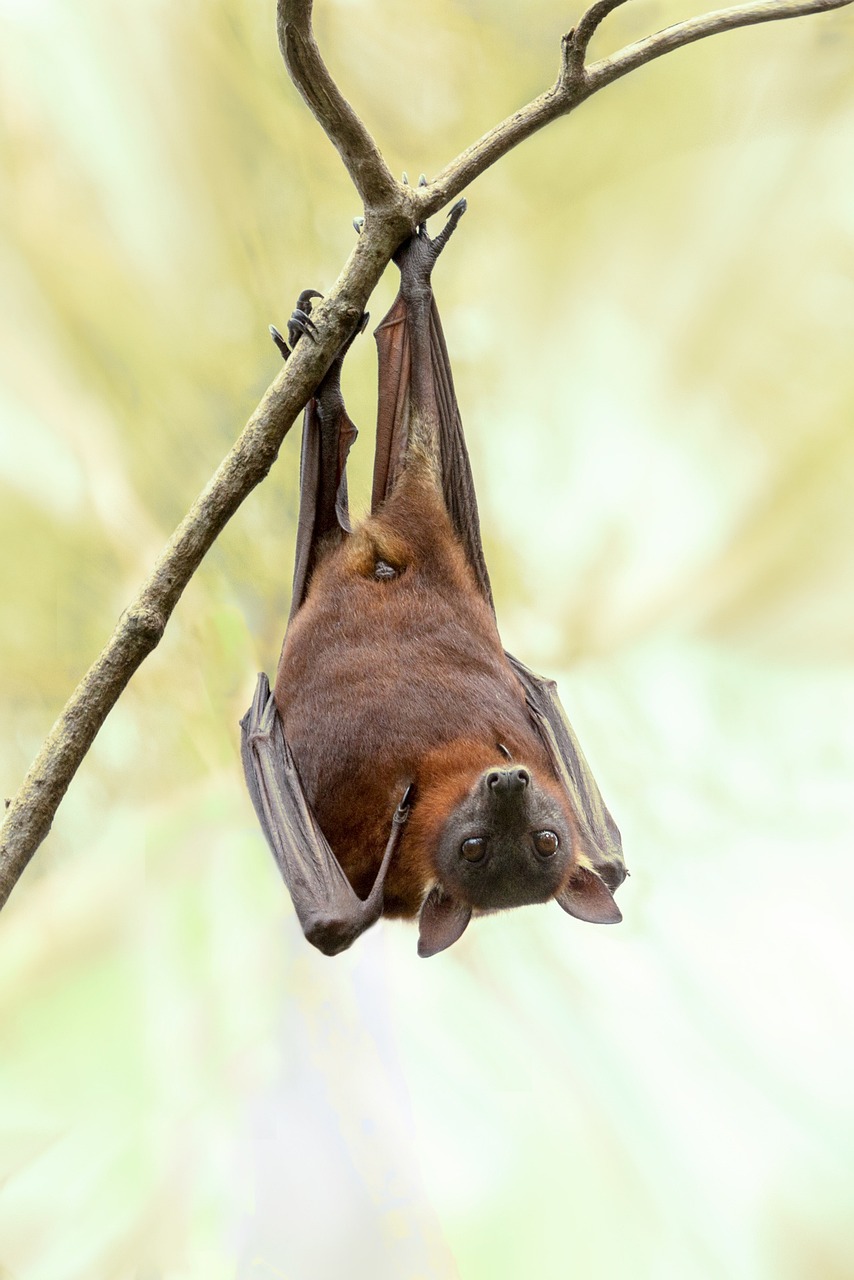
Fruit Bat or Flying Fox (Pteropus species)

The Fruit Bat, also known as the Flying Fox, is native to the tropics of Asia, Australia, East Africa, and several islands in the Indian and Pacific Oceans. They predominantly reside in rainforests, swamps, and mangroves and have a diet rich in fruits, nectar, and flowers.

Egyptian Fruit Bat (Rousettus aegyptiacus)

Commonly seen in Africa and the Middle East, the Egyptian Fruit Bat often seeks shelter in caves, ruins, and similar environments. Their dietary preference is mainly fruits, with a notable inclination for figs.

Natterer's Bat (Myotis nattereri)

Native to parts of Europe and Asia, the Natterer's Bat is versatile in its habitat, being found in woodlands, farmlands, and even urban settings. Their diet is quite varied, including spiders and a range of insects.

Habitat

Bats are found almost everywhere except extreme deserts, polar regions, and some isolated islands. Depending on the species, they may roost in:

  • Caves
  • Tree hollows
  • Man-made structures like attics or under bridges
  • Leaf tents
Bat 2

Diet

The diet is as diverse as the bat species themselves:

  • Insectivores: Many bat species consume insects, playing a crucial role in controlling pest populations.
  • Fruit Bats: These bats feed on fruit, aiding in seed dispersal across forests.
  • Nectar-feeders: These bats, like the lesser long-nosed bat, pollinate plants.
  • Vampire Bats: Native to the Americas, these bats feed on blood, usually from livestock. Contrary to popular myths, they don’t “suck” blood but make a small incision and lap it up.
Bat

How to eliminate Bats

1. Identify and Confirm the Bat Problem:

  • Before taking any action, ensure you genuinely have a bat problem. Bats are nocturnal, so you might see or hear them in the early evening or dawn.
  • Inspect your property for signs of bats, such as guano (bat droppings), which look like dark, grainy pellets.

2. Find Their Entry and Exit Points:

  • Before sunset, observe the exterior of your house to spot where bats are flying out from. Common entry points include eaves, rooflines, chimneys, vents, and gaps or holes in siding or the roof.

3. Exclude the Bats:

  • Exclusion is the most effective and humane method. It involves allowing the bats to leave but preventing them from re-entering.
  • Install bat exclusion devices, such as netting or funnels, on the entry points you identified. These devices let bats exit but prevent them from returning.
  • Leave the exclusion devices in place for several days to a week to ensure all bats have exited.

4. Seal Entry Points:

  • Once you’re sure all bats have left, permanently seal the entry points using caulking, weatherstripping, or heavy-duty mesh netting.
  • Remember, bats can fit through very small openings (as small as a dime), so be thorough.

5. Consider Providing an Alternative Roosting Place:

  • To prevent bats from attempting to return to your home, consider installing a bat house on your property. It provides them with a suitable roosting location and keeps them around to help with insect control.

FAQs

While most bat species are nocturnal, a few, especially among fruit bats, are crepuscular, which means they are most active during dawn and dusk.

Bats have specialized adaptations in their circulatory system that prevent blood from pooling in their head while hanging upside down. This, combined with a rapid heartbeat, ensures proper blood flow.

Only three of over 1,300 bat species are known as “vampire bats” that feed on blood. They make small incisions in their prey, typically livestock, and lap up the blood. Their saliva contains an enzyme that prevents the blood from clotting during feeding.

No, bats are mammals, while birds belong to the avian class. The bats’ wings resemble a human hand with a membrane stretched across, whereas birds have feathered wings.

Eliminate pest invasion all year round

Innovative EcoBloc technology creates a fortified barrier against bugs

We deploy an arsenal of environmentally responsible and effective UV and water-resistant products which include micro-encapsulated formulas that target pests and ensure long-lasting protection.

Inspect

We thoroughly inspect a property to detect pest activity, possible points of entry and the most effective treatments.

Report

Our team will provide a report with inspection results and our professional recommendations for the most effective treatments.

Implement

Using our proprietary 4 Season Eco-Bloc Technology, we address all agreed-upon issues. We maintain ongoing reporting for easy referencing.

Get in Touch

Our local technicians are ready to help. Reach out and we’ll get back to you same day.

Get Your Free, Same-Day Quote

Free Quote

What's bugging you?

Contact us today to claim 50% off your first treatment.
This offer is available for a limited time only.

Free Quote